QuickFlux
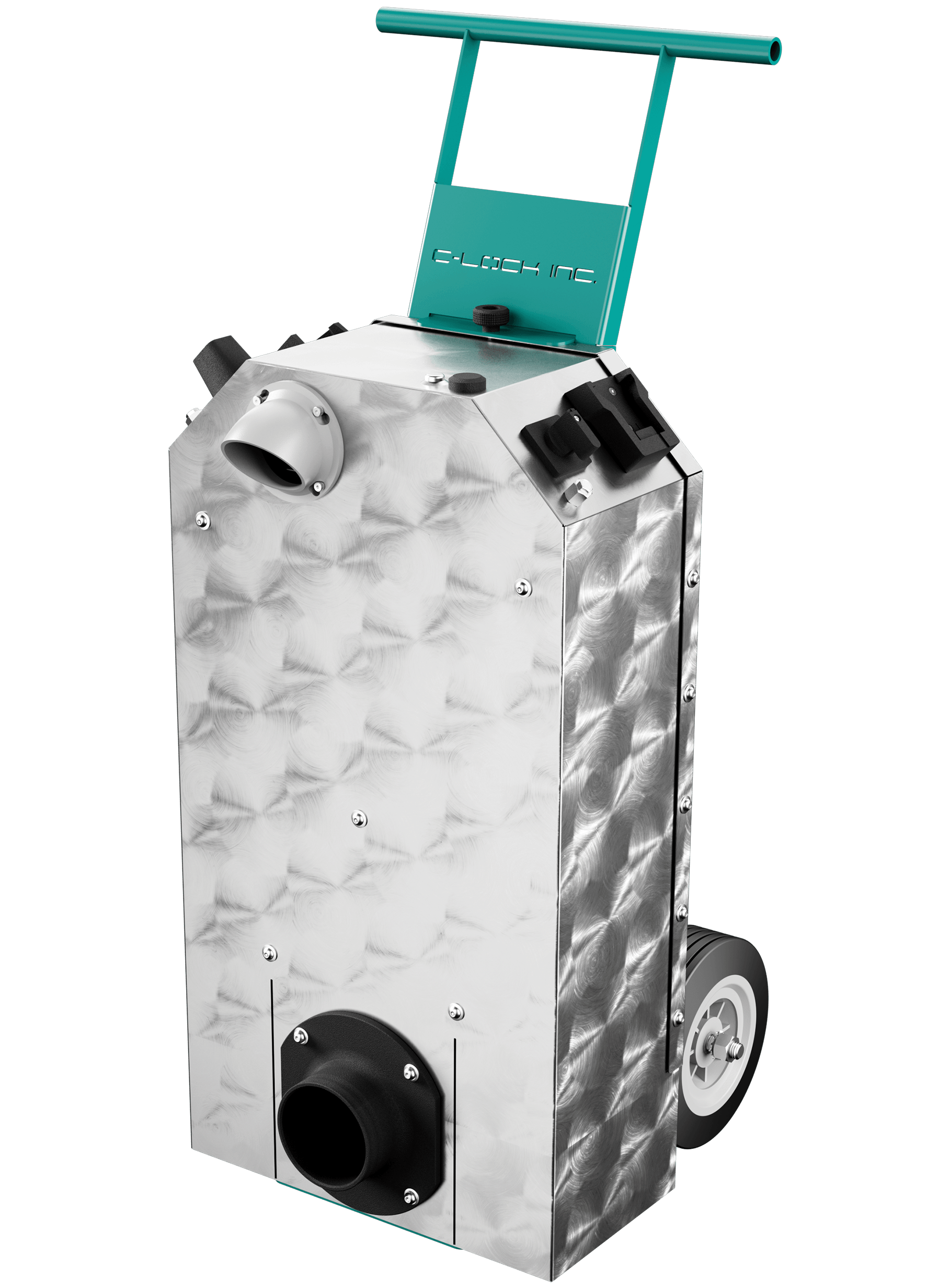
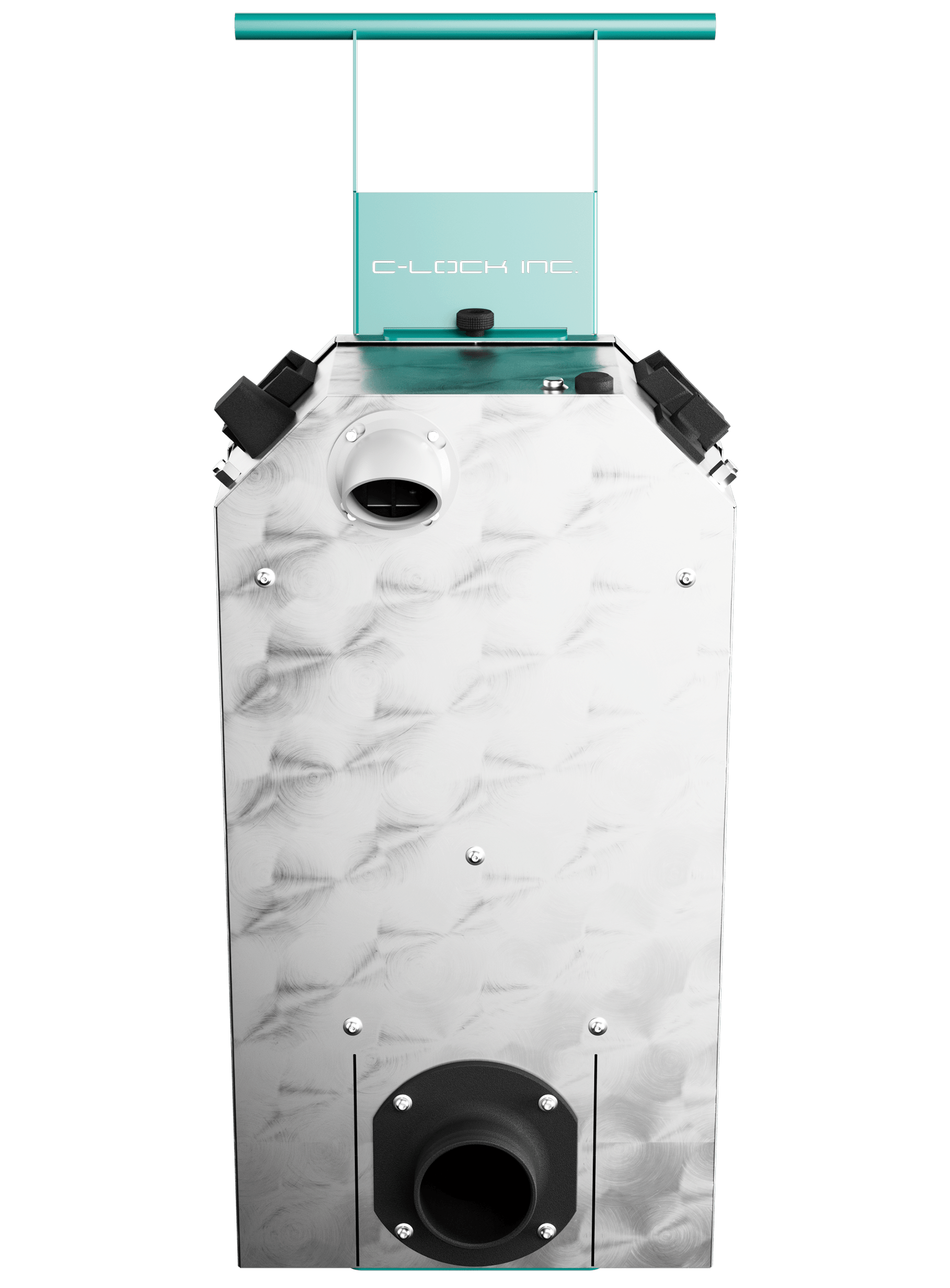
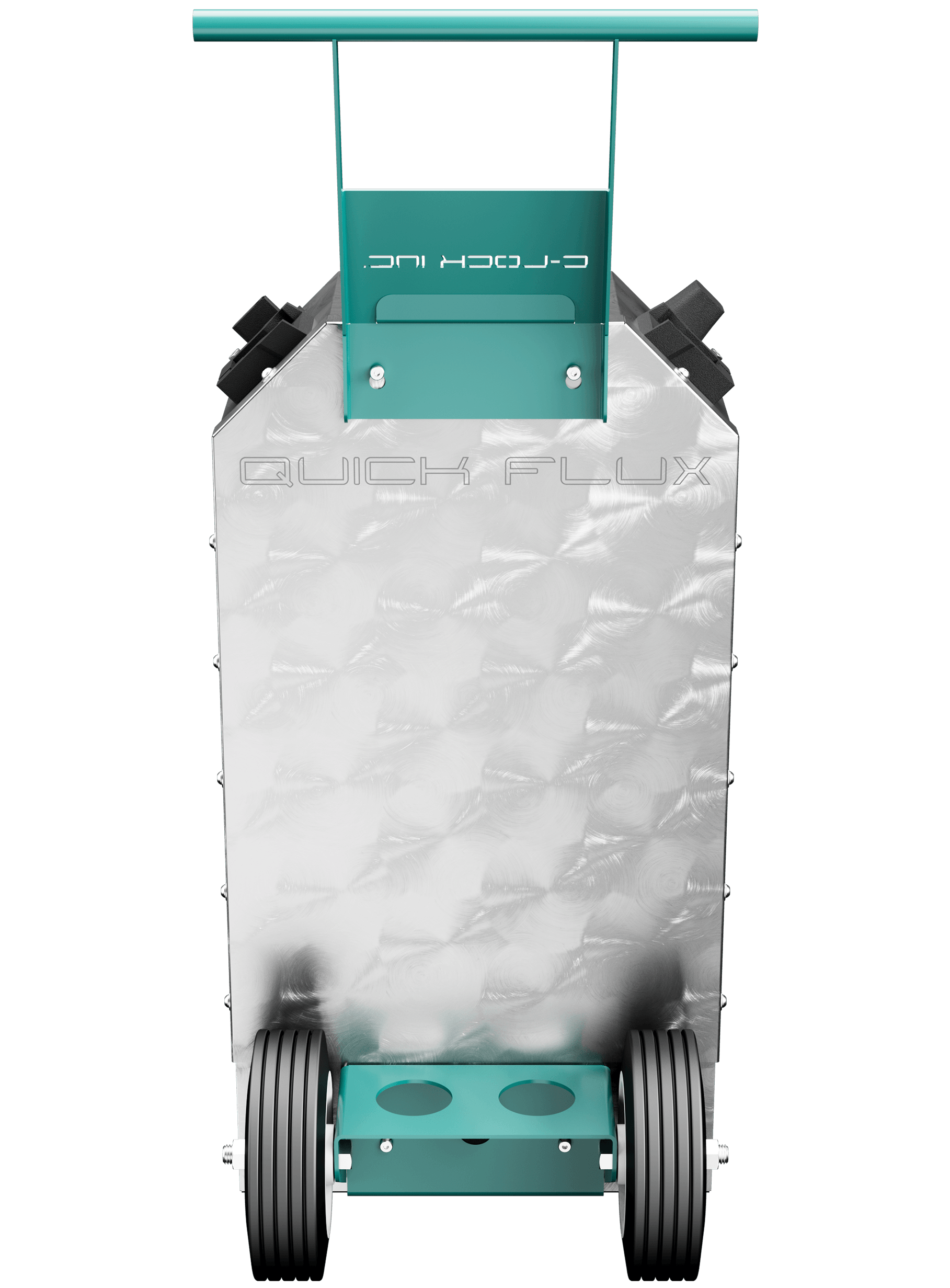


Find Your Most Efficient & Profitable Animals
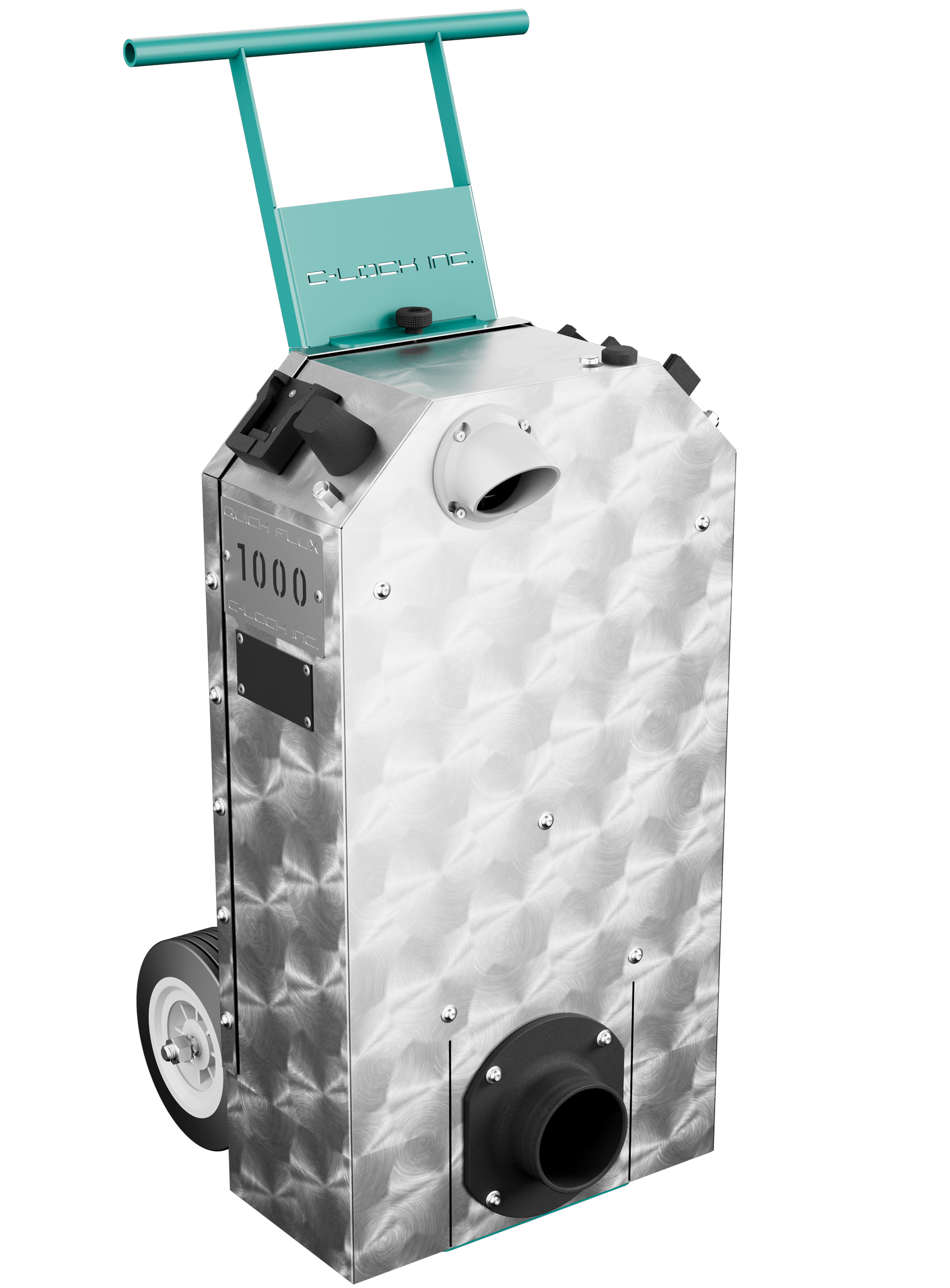
QuickFlux scores individual animals on metabolic efficiency in 3 to 5 minutes, in the handling facilities you already have. The Metabolic Efficiency Index (MEI) ranks your herd top to bottom on efficiency, giving you measured data behind profitability and every breeding, culling, and replacement decision.
3–5 Minutes Per Animal
One short measurement per animal makes it practical to work through a full pen, string, or group in a day instead of a season.
Rank Your Herd on Feed Efficiency
Every animal is scored and ranked against the rest of the group, so you can see who is converting feed efficiently and who is not.
Phenotyping at Scale
Collect individual efficiency phenotypes across hundreds of animals, enough animals to support genetic evaluation, heritability estimates, and selection programs at commercial scale.
No Intake Trial
Traditional efficiency testing needs individual feed intake equipment — expensive, labor-intensive, and impractical at commercial scale. QuickFlux gets you there without it.
Uses Your Current Facilities
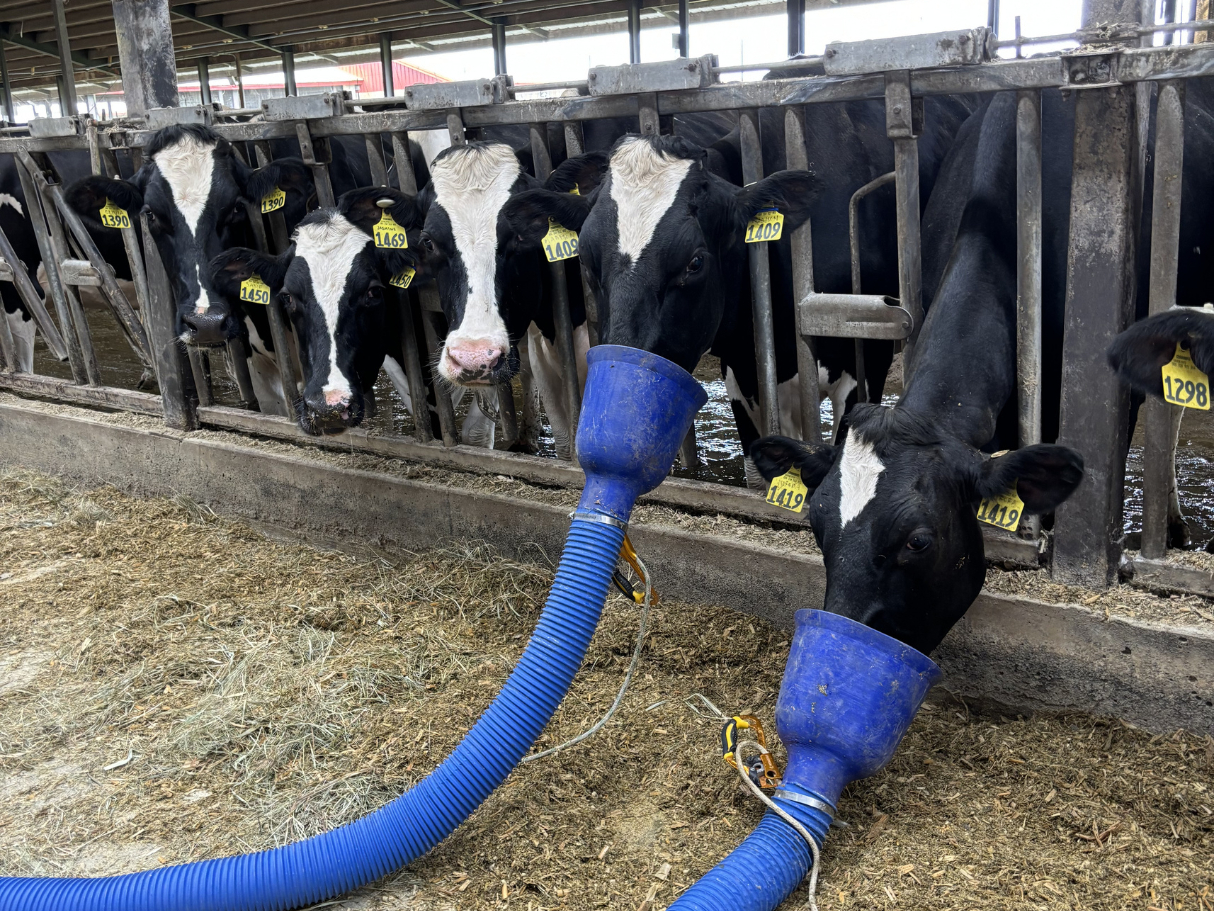
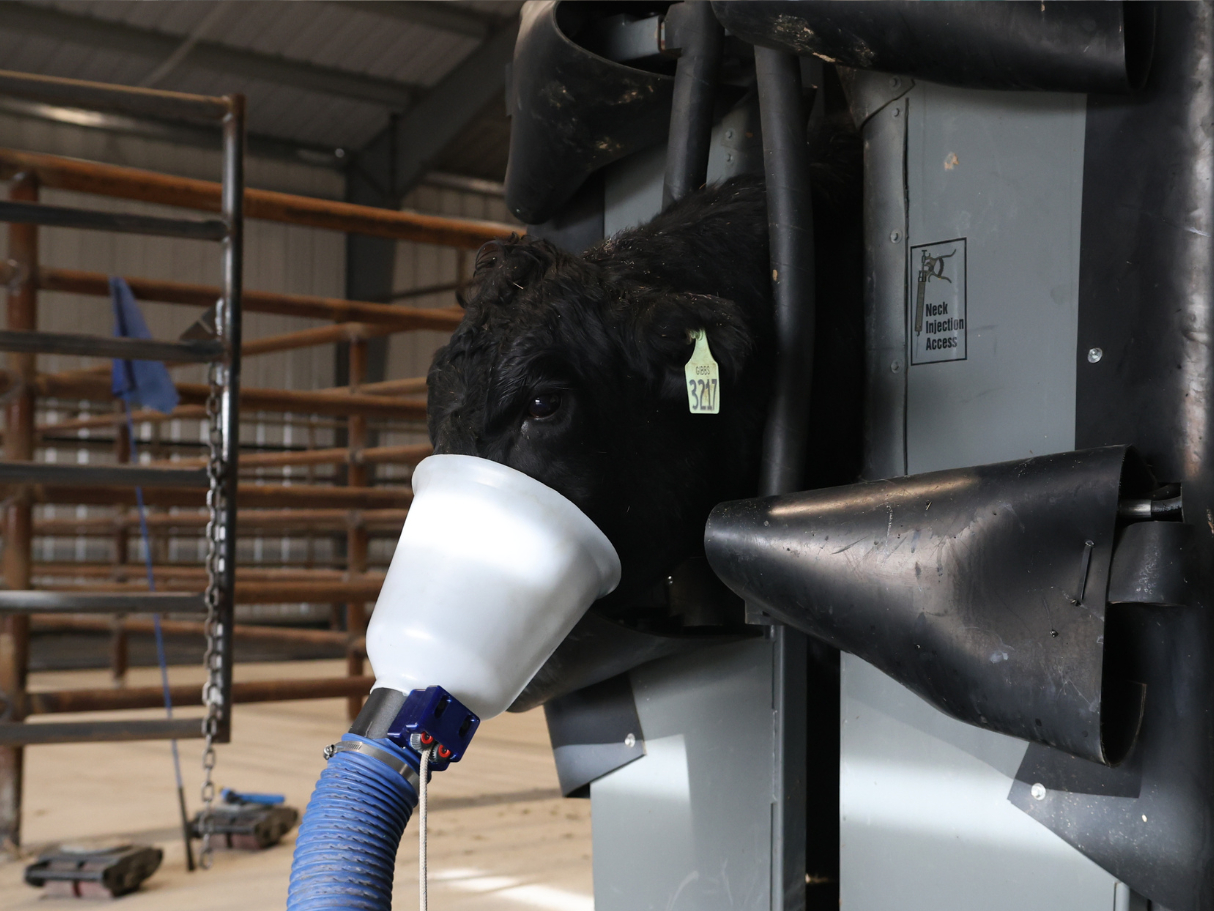
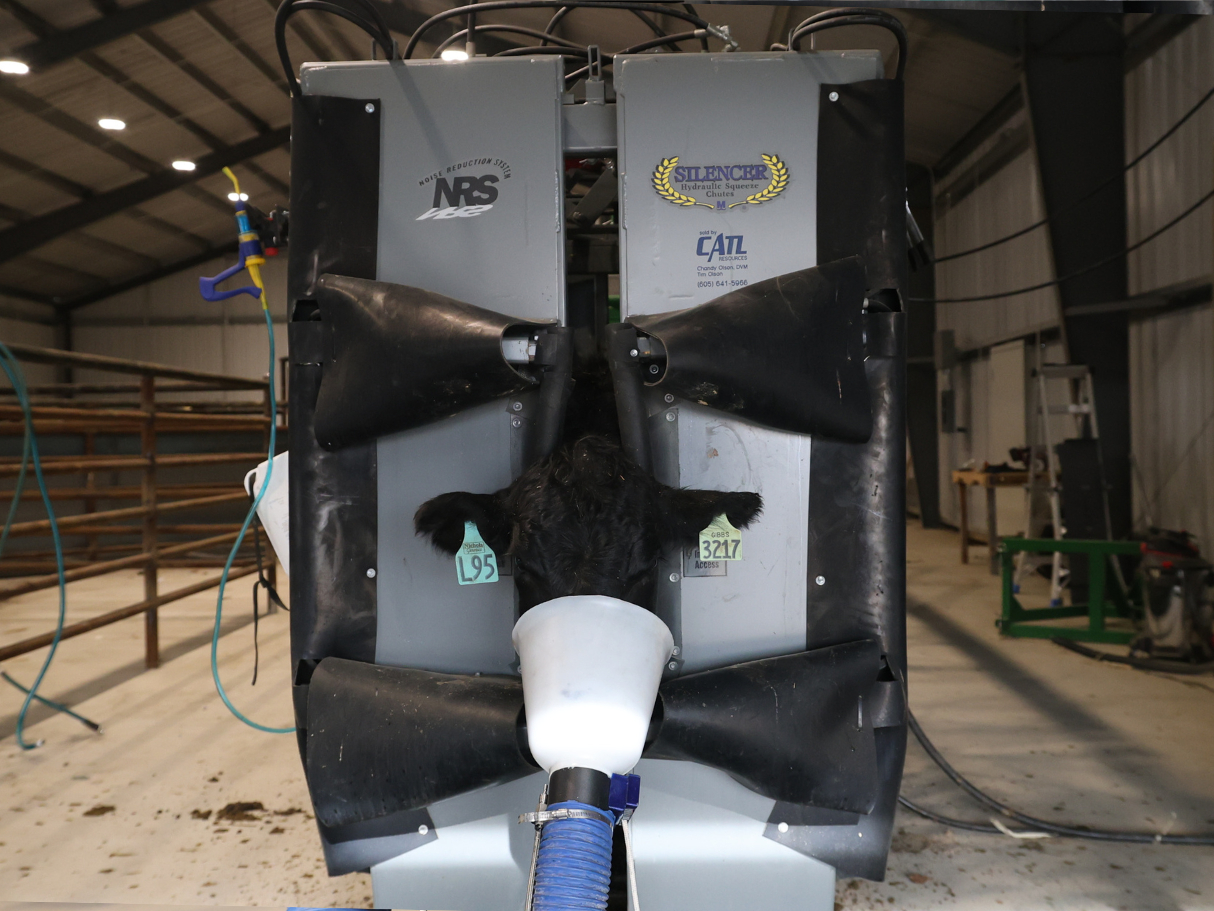
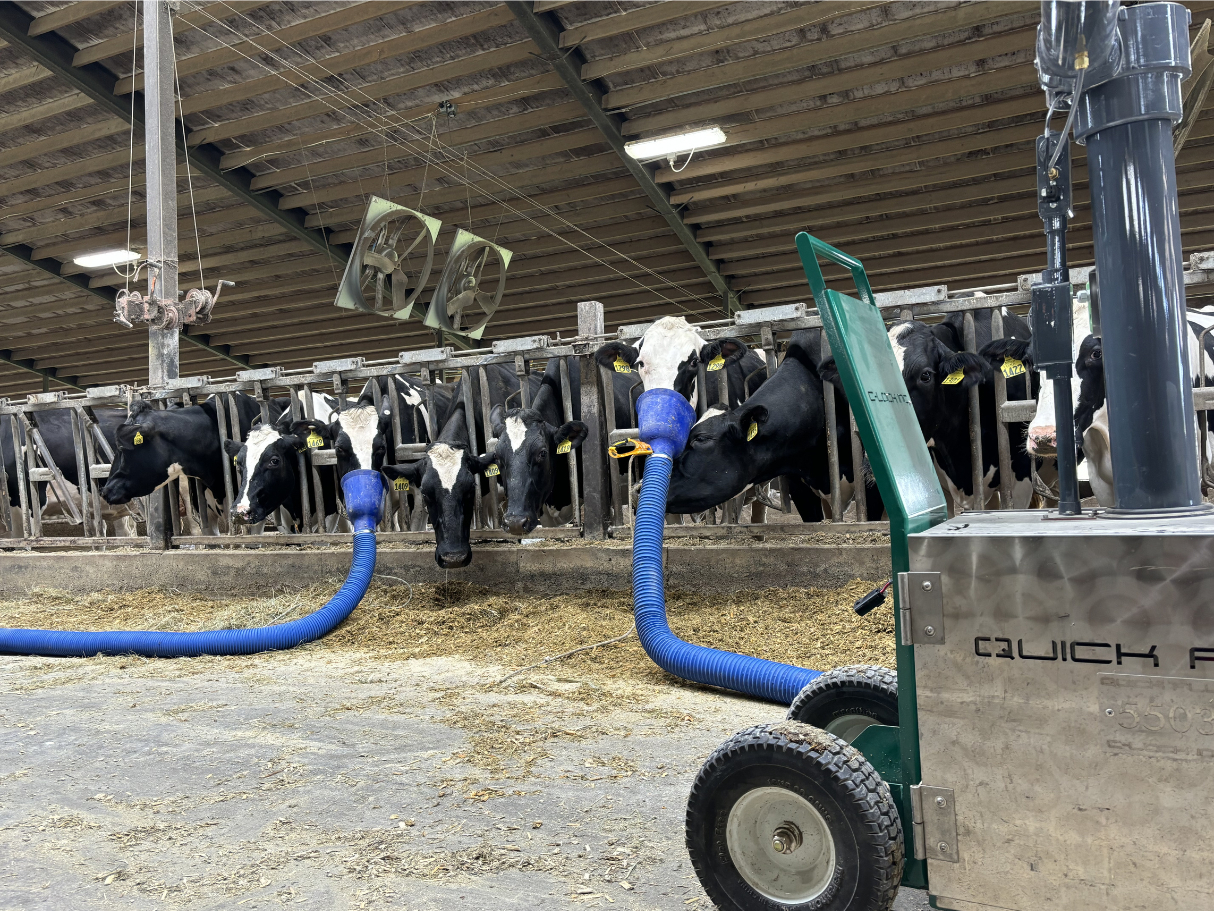
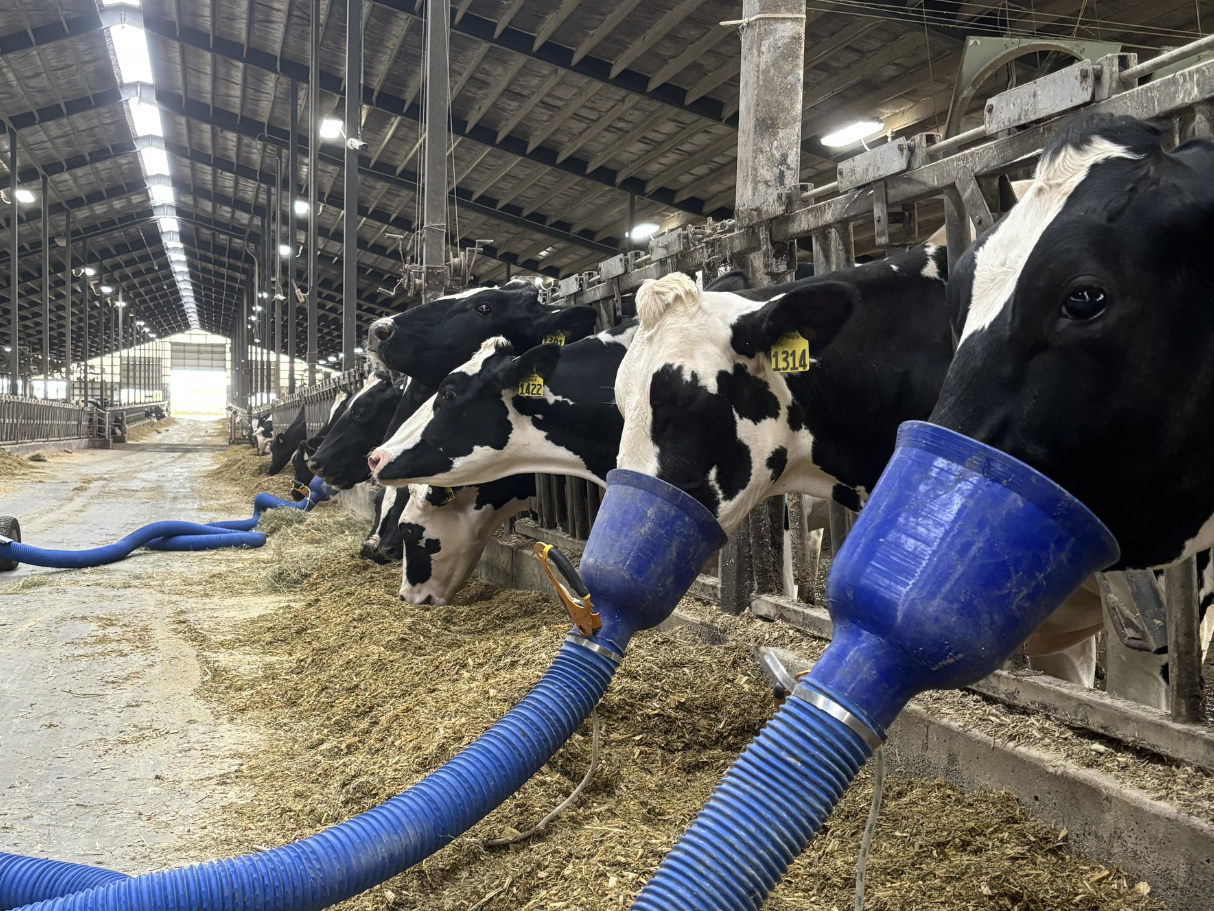
Works with the handling you already have — headlocks, chutes, palpation rails, tie stalls. No permanent installation and no site prep.
Proven Methodology
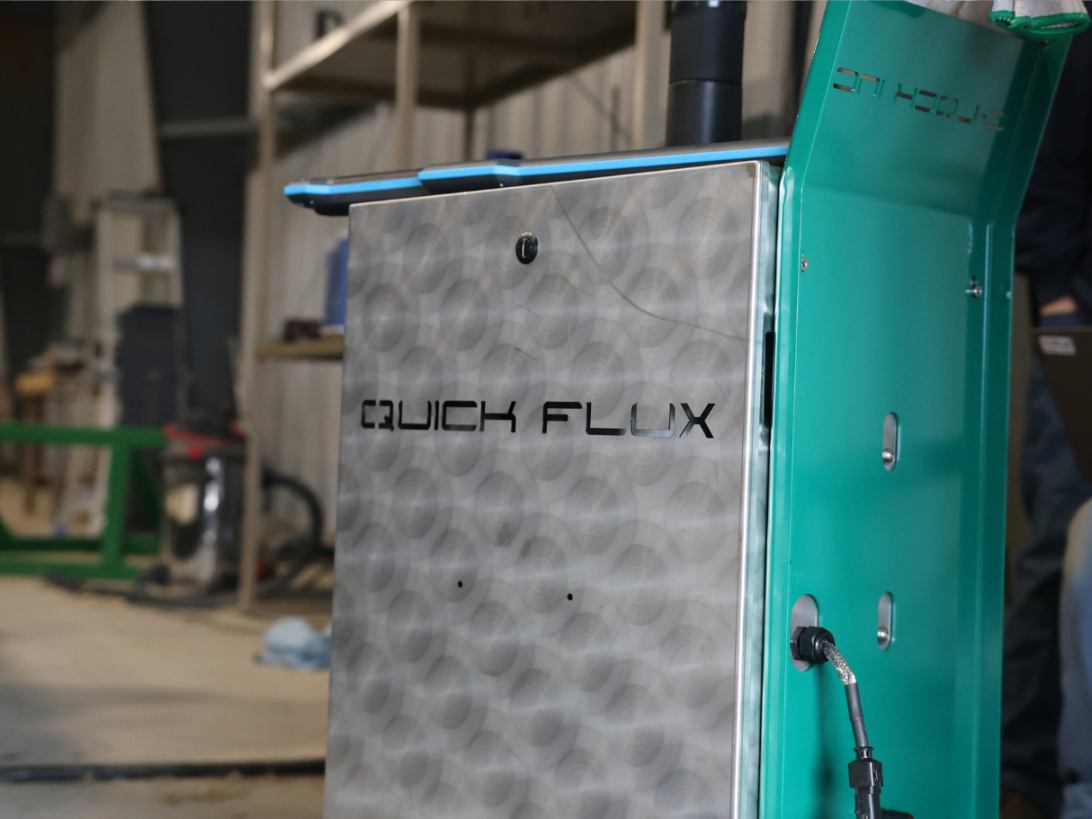
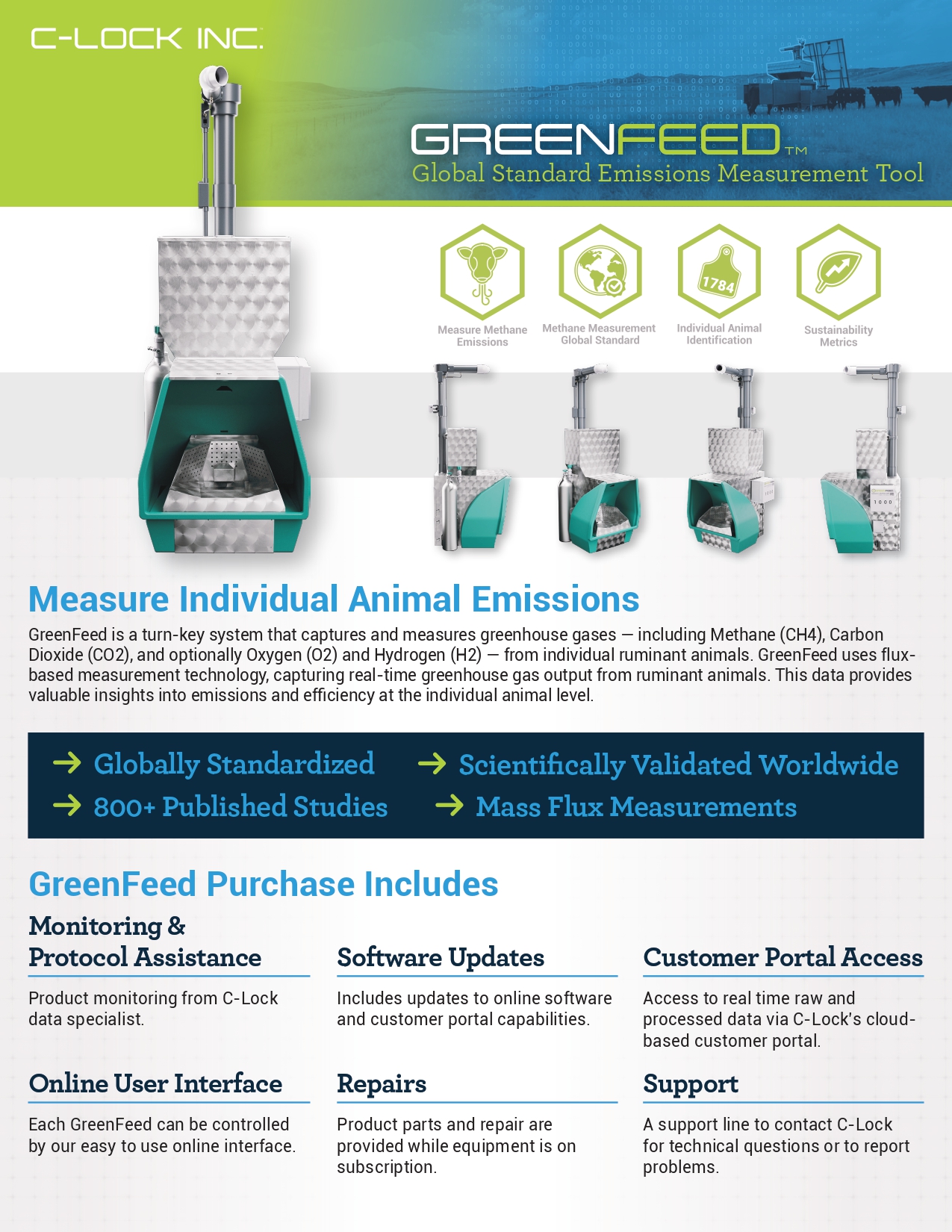
QuickFlux uses the same flux-based measurement method as GreenFeed, the methodology behind 800+ peer-reviewed studies, in a portable form.
Producers
The Problem
Most producers have no practical way to identify which animals convert energy into milk or beef most efficiently. Traditional feed efficiency measurements require individual feed intake systems, making them expensive, labor-intensive, and impractical for evaluating large commercial herds.
The Solution
QuickFlux measures carbon dioxide (CO₂) production from individual animals in just 3–5 minutes, providing the data needed to estimate metabolic efficiency without measuring individual feed intake. By identifying the animals that convert energy into production most efficiently, producers can make more informed breeding, culling, and management decisions while evaluating significantly more animals in less time.
Researchers
The Problem
Collecting emissions data from large numbers of animals can be time-consuming and resource intensive. Many existing approaches limit the number of animals that can be evaluated, reducing sample sizes and slowing research, validation, and genetic improvement programs.
The Solution
QuickFlux uses the same proven flux-based measurement technology as GreenFeed in a mobile, high-throughput platform that measures individual animal emissions in just 3–5 minutes. Researchers can evaluate more animals in less time while collecting accurate, scientifically reliable emissions data for large-scale studies, validation trials, and genetic research.
How QuickFlux Works
- Animals are prepared for measurement in a stall or chute.
- The QuickFlux is secured over the animal's muzzle.
- The animal's RFID tag is scanned to identify the individual.
- QuickFlux simultaneously samples the animal's breath and the surrounding ambient air.
- Over a 3–5 minute measurement period, greenhouse gases are continuously measured.
- When enough data has been collected, an indicator light signals that the measurement is complete.
- The measurement is automatically logged and securely transmitted to C-Lock.
- The cone is removed, and the process is repeated with the next animal.
- C-Lock algorithms process the data and flag any potential outliers.
- A C-Lock expert verifies the final dataset to ensure accuracy.
Data Delivered
Every measurement is converted into a structured record for that individual animal and delivered back to you. Each dataset includes:
- Metabolic Efficiency Index (MEI) score per animal
- Individual animal identification and measurement records
- Herd or group rankings, top to bottom
- Summarized group statistics
- Optional oxygen (O₂) measurement for energy-balance work
One measurement is statistically sufficient to rank an animal within a group. Additional passes increase confidence and let you track how efficiency changes over a lactation, a feeding period, or a ration change — using the same standardized process every time.
Applications
Herd-Wide Efficiency Screening
Measure every animal in a pen or string, not a sample, and rank the full group on biological efficiency.
Breeding, Culling & Replacement Decisions
Identify top and bottom performers fast enough to act within the same working window.
Genetic Selection at Commercial Scale
Build efficiency datasets across hundreds of animals to support selection decisions grounded in measured data.
Large-Sample Emissions Studies
Increase sample size without increasing trial length, strengthening statistical power across study designs.
Genetic & Phenotyping Programs
Collect individual emissions phenotypes across large populations for heritability and selection research.
Multi-Site & Multi-Herd Trials
Move one system between farms and research stations, collecting standardized measurements across locations.
Supply Chain Sampling
Collect animal-level emissions data across supplier herds without installing equipment at every site.
Emissions Reporting
Provide verified, animal-level emissions data to support supply chain reporting and corporate sustainability requirements.
Program Benchmarking
Establish baselines across regions and suppliers using a consistent, repeatable measurement process.
Features
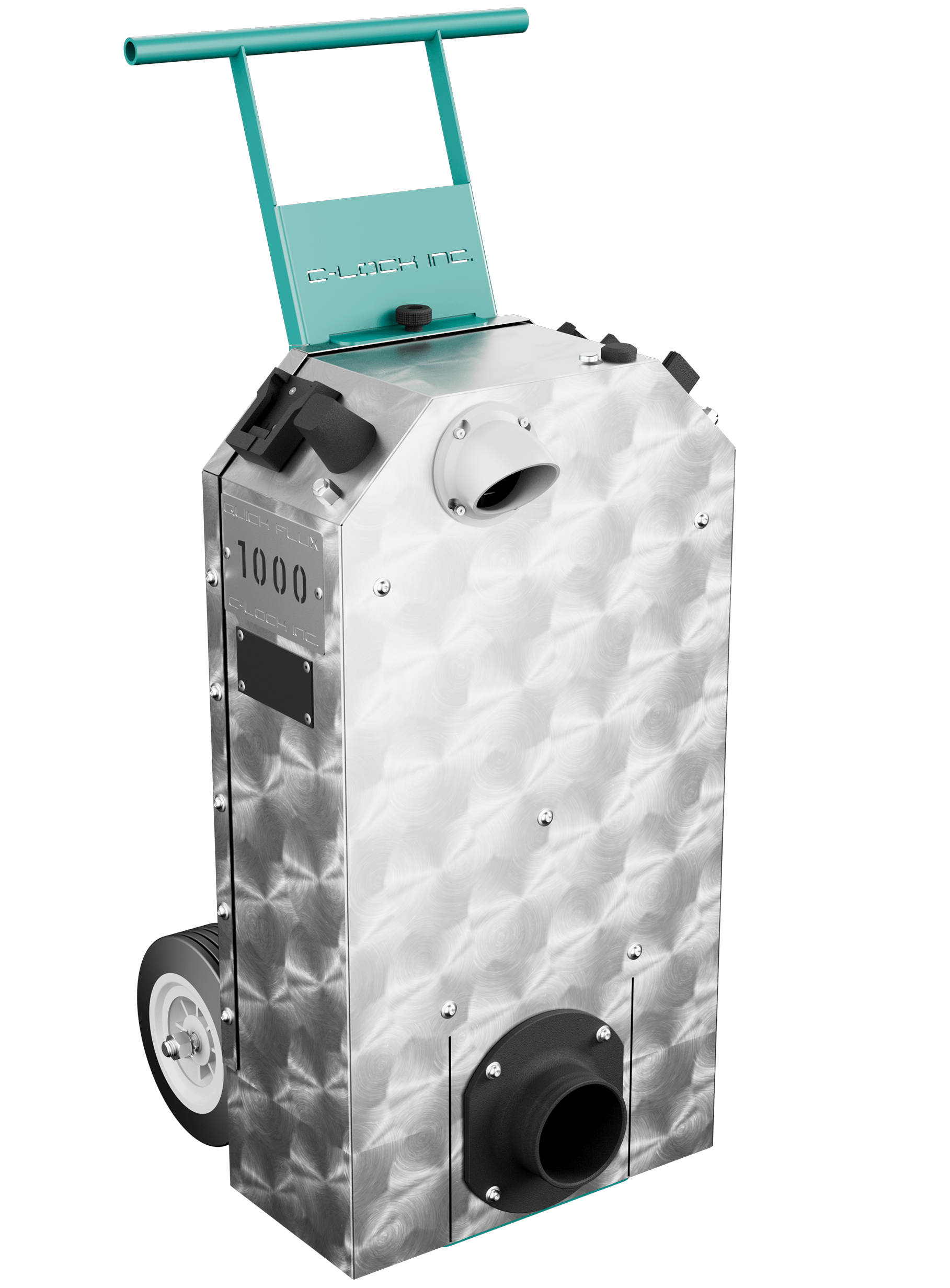
Low Maintenance
Routine maintenance is limited to occasional filter replacement.
Automatic Data Transfer
Measurements transmit securely to C-Lock over Wi-Fi or optional cellular.
Data Management/ Connectivity
All raw and processed data is accessible in a secure archive with a simple online interface. Data is transmitted wirelessly with Wi-Fi or cellular network.
Metabolic Measurement
Measures carbon dioxide output as a direct indicator of the animal's metabolic rate — the basis of the MEI score.
RFID Animal Identification
Each animal's tag is scanned before measurement, automatically linking every dataset to an individual animal record.
Product Options
Oxygen (O₂) Sensor
Adds oxygen measurement alongside standard methane and carbon dioxide, supporting expanded metabolic and energy-balance research.
Cellular Modem
Enables automatic data transmission at sites without reliable Wi-Fi coverage, keeping measurements flowing from remote barns, pastures, and research stations.
Videos
Image Gallery